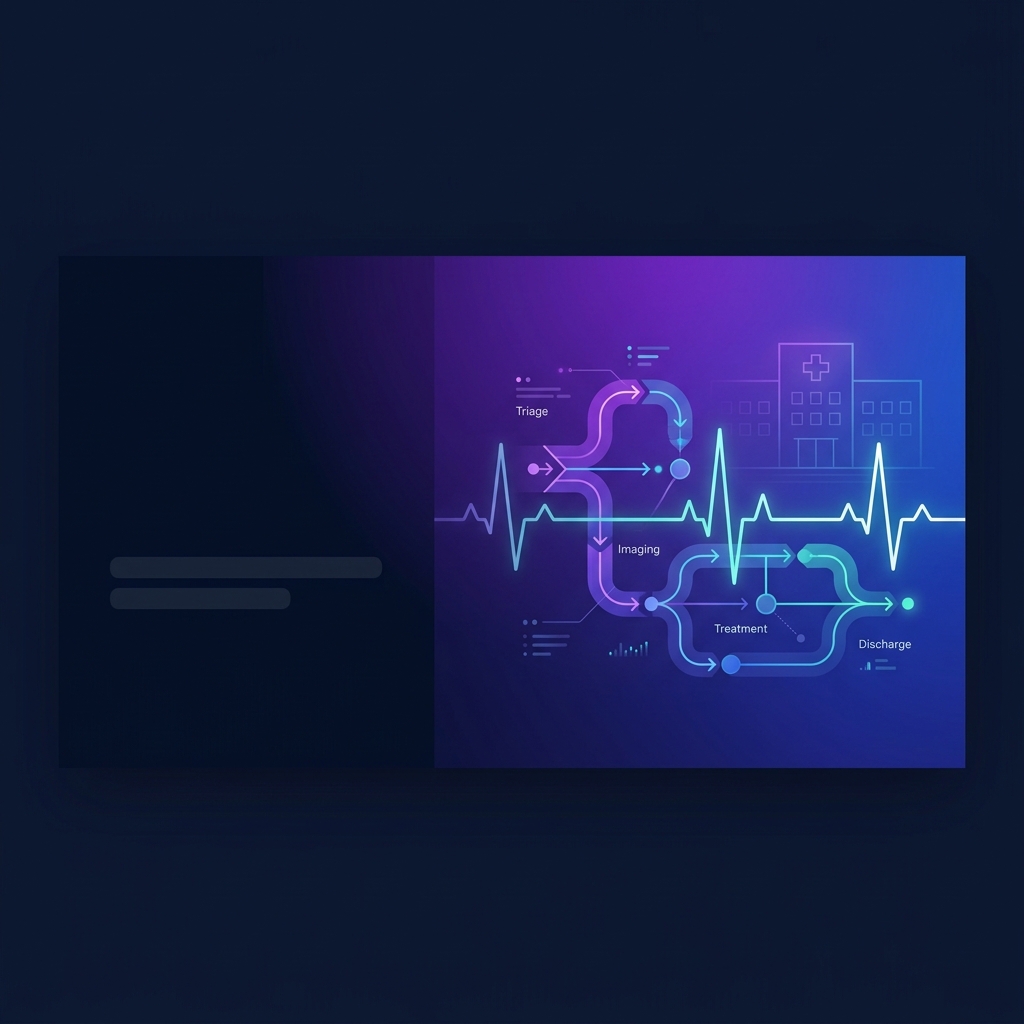
Selecting a Hospital Management System (HMS) is one of the most critical decisions a healthcare executive will make. In 2025, an HMS is no longer just a billing tool — it is the digital backbone of clinical care, patient engagement, and operational compliance.
1. Core Clinical & Administrative Modules
A modern HMS must seamlessly connect front-desk OPD registration, doctor EMR notes, inpatient bed management, pharmacy dispensing, and laboratory diagnostics.
Fragmented systems force hospital staff to re-enter data manually, increasing administrative costs and introducing prescription errors.
2. ABDM & Regulatory Compliance
In India, compliance with the Ayushman Bharat Digital Mission (ABDM) is essential. Your HMS must support M1 (ABHA Health ID creation), M2 (Health Facility Registry & Practitioner Registry), and M3 (Health Record Exchanger & Consent Manager).
Furthermore, GST-compliant invoicing, Ayushman Bharat TPA claims, and NABH-ready audit trails should be supported out of the box.
3. AI Automation & Workflow Efficiency
Next-generation HMS solutions incorporate AI for predictive queue management, automated ICD-10 diagnostic coding recommendations, and stock expiry alerts in the pharmacy.
4. Buyer Evaluation Checklist
When evaluating vendors, ask for: 1) Local implementation support in your state, 2) Cloud + On-premise hybrid deployment options, 3) 99.9% uptime SLA guarantee, and 4) Transparent per-bed or per-clinic pricing without hidden per-user license fees.